
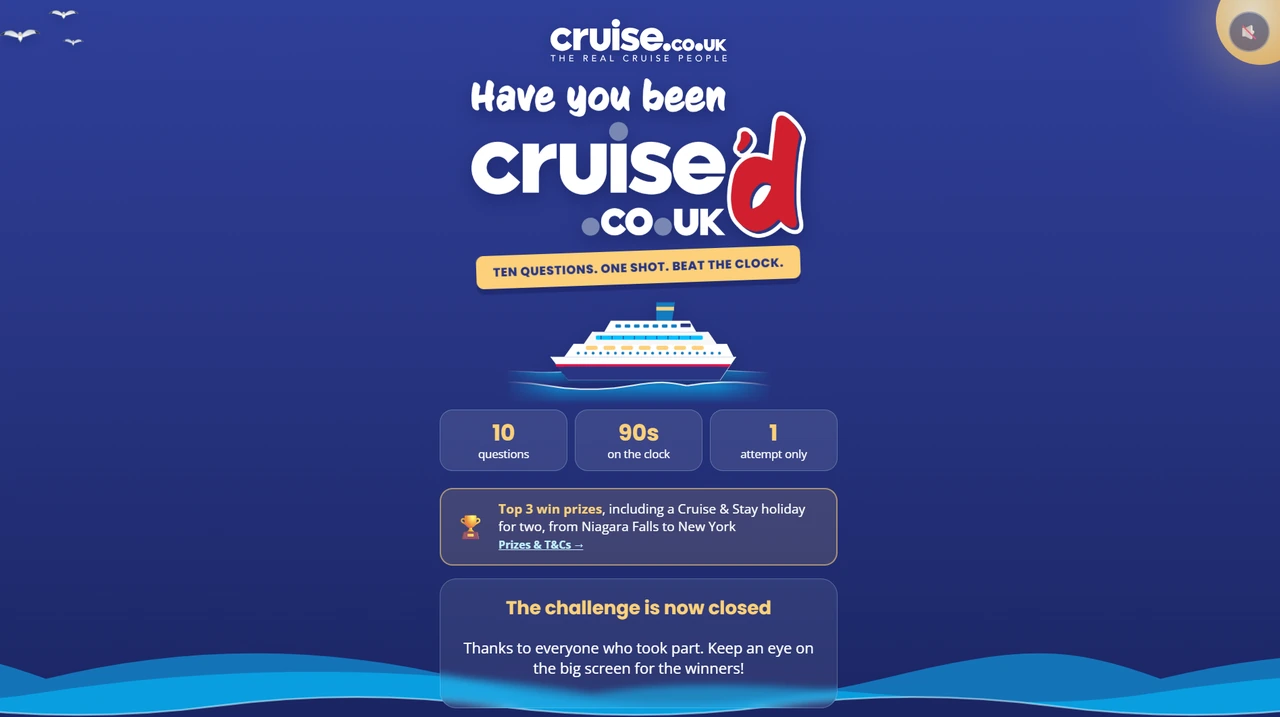
Cruise Quiz
A timed Cruise.co.uk campaign quiz with 10 questions, 90 seconds on the clock and one attempt per player.
Ask about a branded quizCustom branded event game hire for exhibitions, launches and corporate events. Bespoke graphics, interactive challenges, hosting and leaderboards.
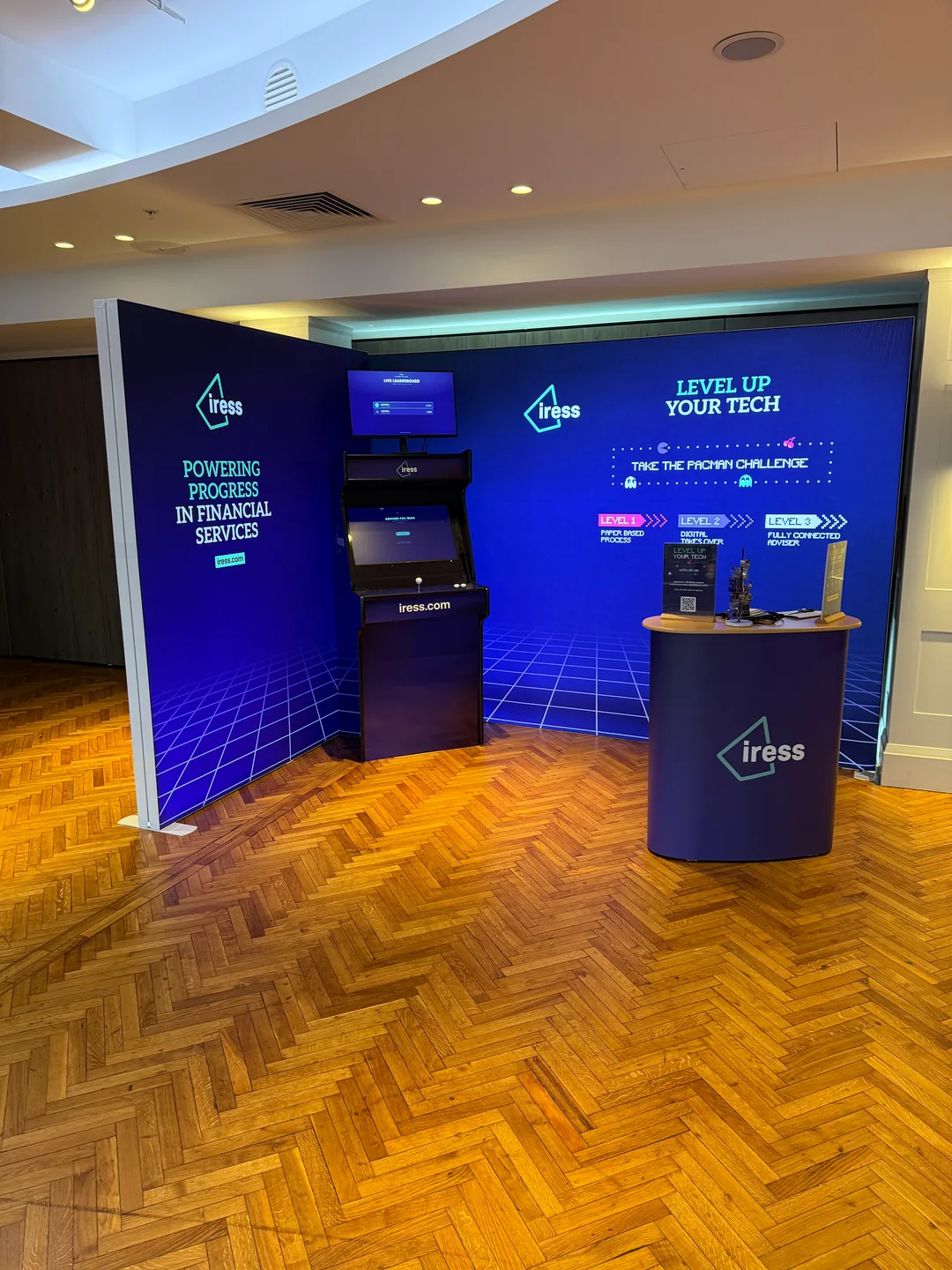






See two ways to build the brand into the game, from a timed quiz to an arcade maze. Both formats can be adapted around your audience, artwork and event.
A timed Cruise.co.uk campaign quiz with 10 questions, 90 seconds on the clock and one attempt per player.
Ask about a branded quiz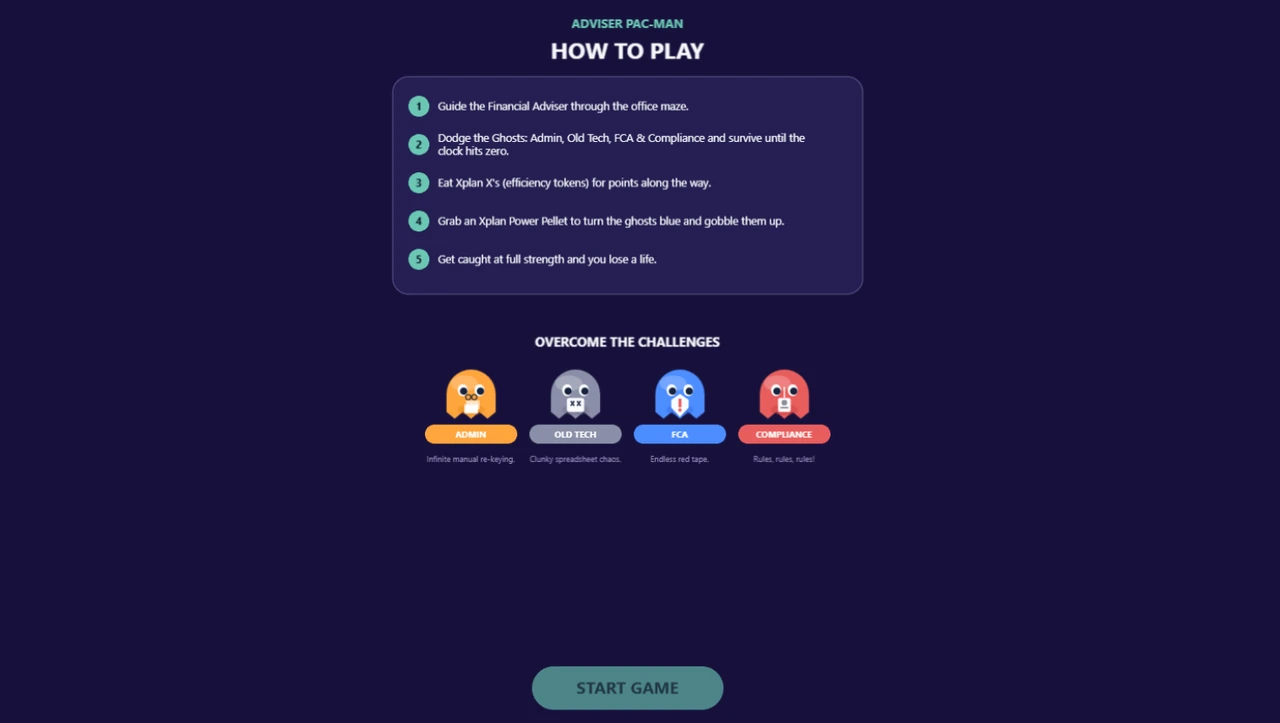
An Iress-branded office maze where players collect Xplan tokens and dodge obstacles themed around admin, outdated tech, regulation and compliance.
Ask about a branded arcade game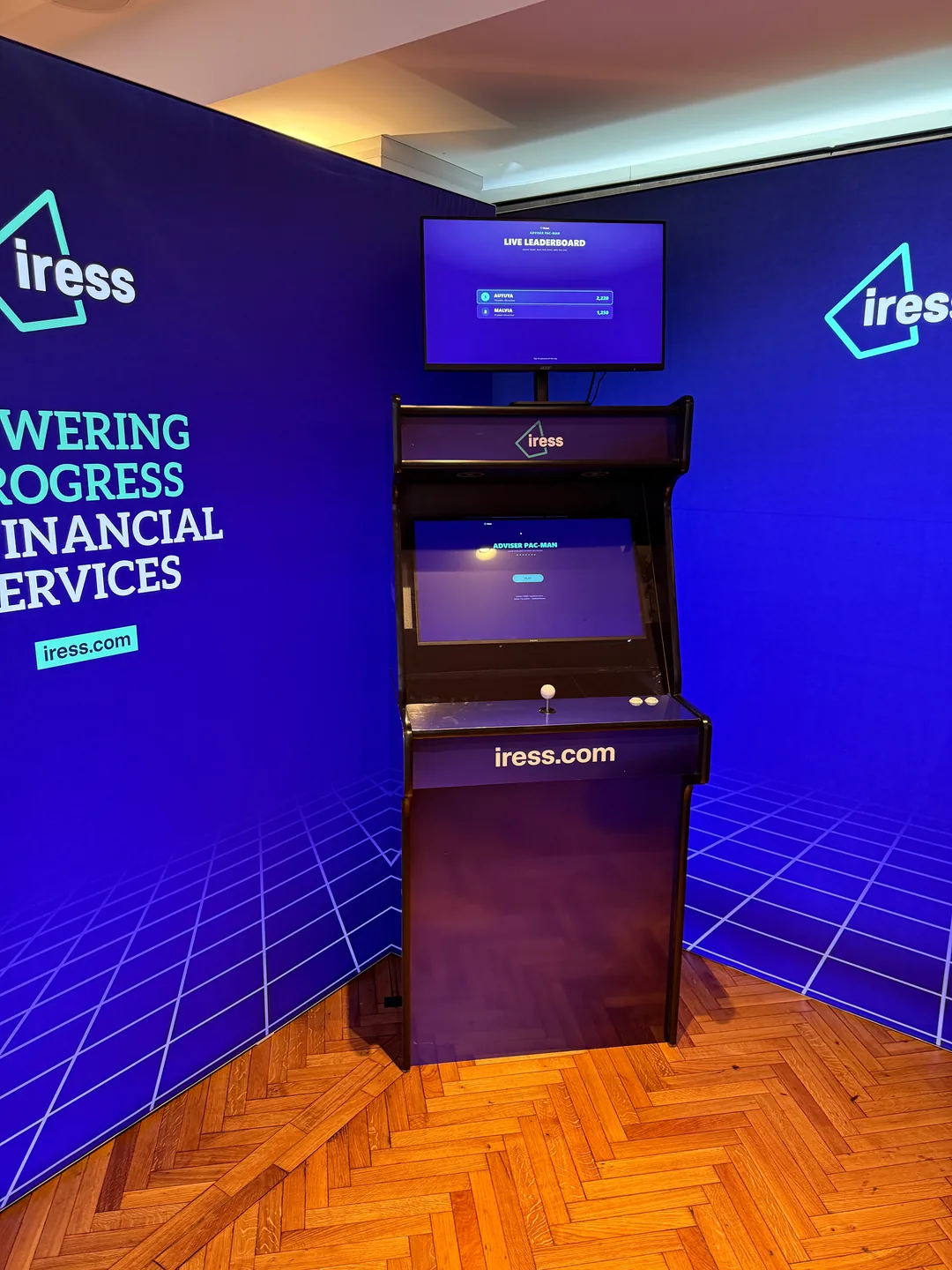
Delivery, setup, technical support, hosting and de-rig can all be included.
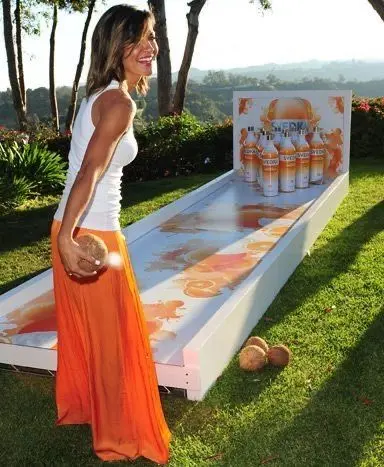
We shape the gameplay, graphics and guest journey around your campaign, from branded quizzes and arcade games to reaction challenges and live leaderboards.
Bespoke pricing based on game and branding
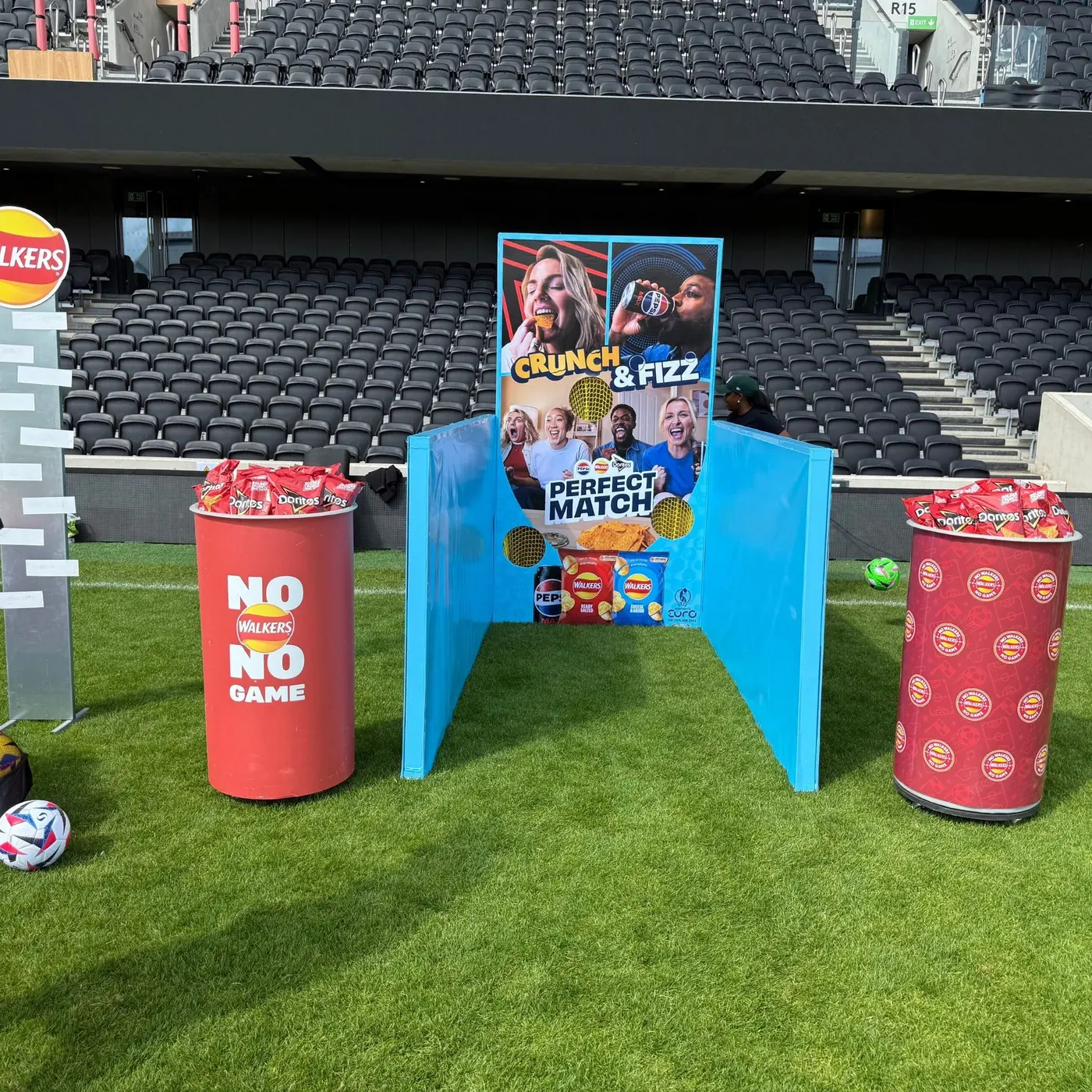
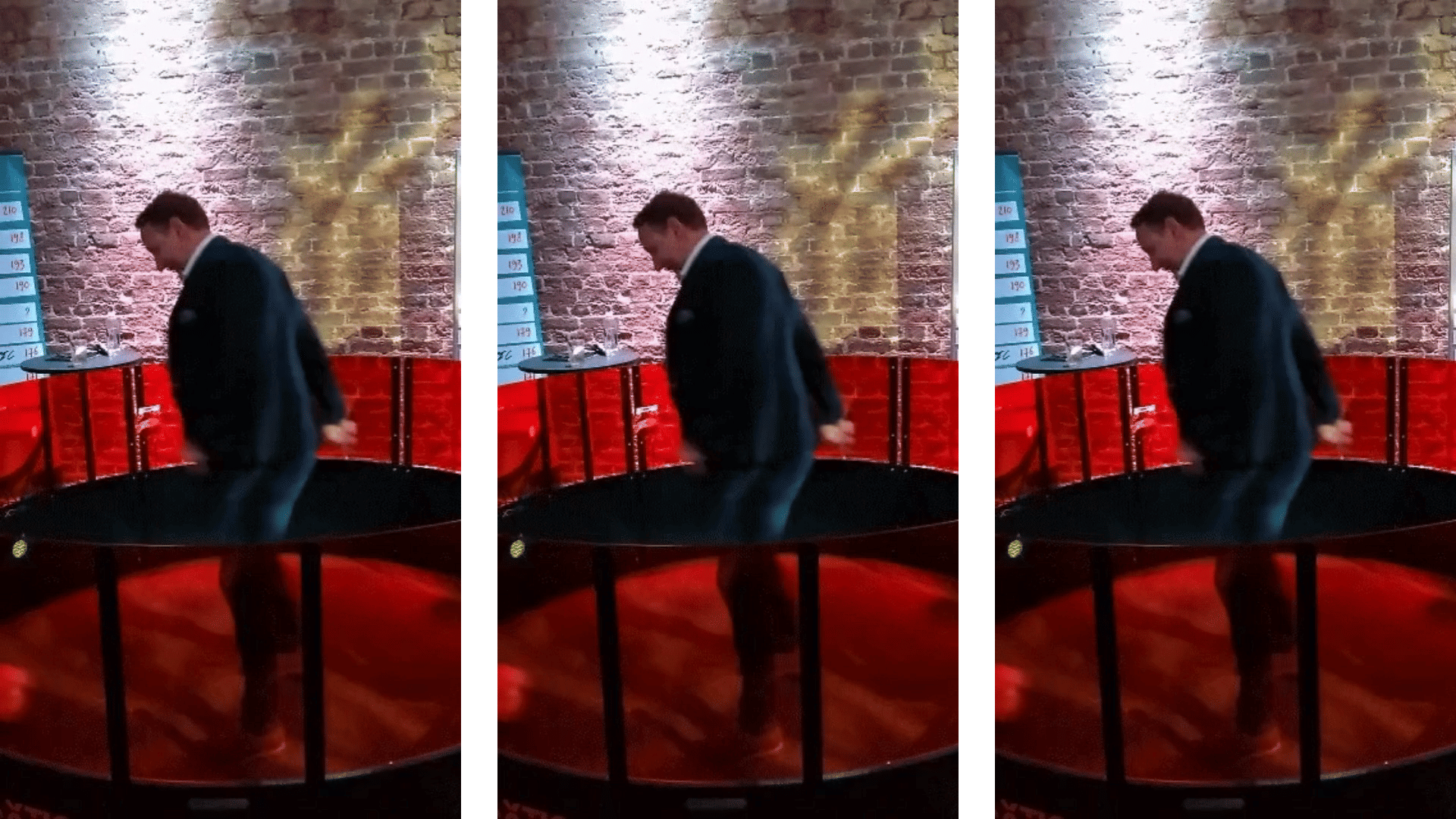
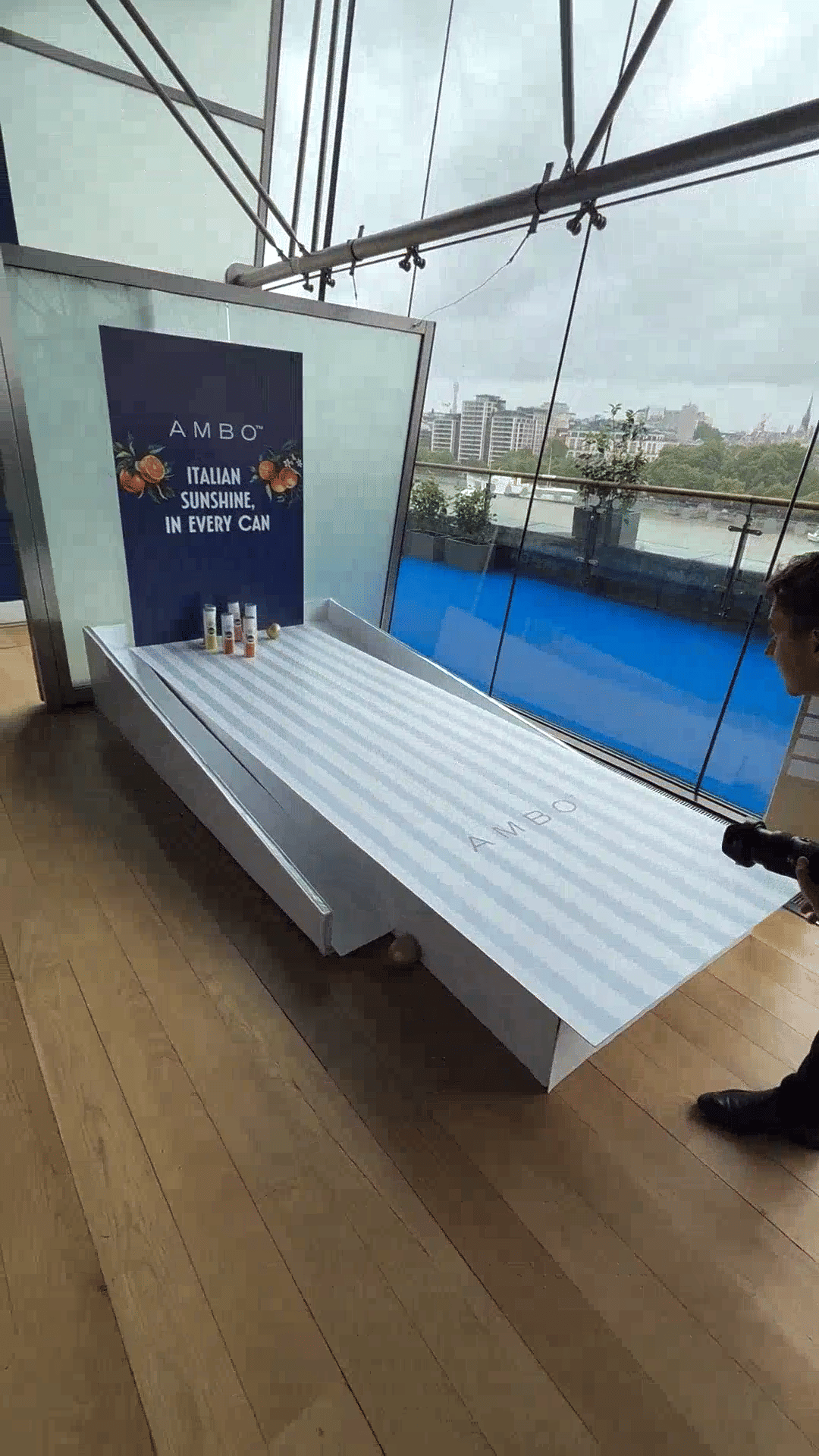
A game can follow a brand through the look of the installation, the instructions guests see and the way a winner is announced. Share the campaign idea and any fixed artwork before choosing the finish. A short challenge on an exhibition stand needs different signage from a centrepiece running through a launch party. Think about whether other elements of the event are already set, such as the colours, media wall and handover of content. We can discuss a bespoke game build if the brief calls for original mechanics or show how a branded bowling setup could work within the space.
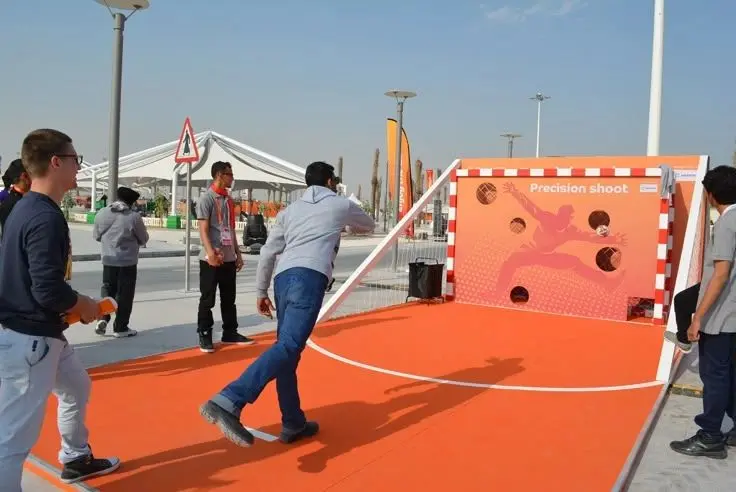
Write down the one action you want visitors to take. A quick challenge helps introduce a product to a passing audience, while a scored competition gives people a reason to return to a stand. A game at a staff event may work better with teams than with a single player. Think about who will play, whether they will arrive alone or in groups, and how familiar they are with the activity. Agree what counts as a completed turn before choosing a prize, score or leaderboard. If play and sales conversations happen in the same area, plan space for both. The best format supports the campaign goal and feels straightforward from the audience’s first look.
Send the approved logos, brand colours and any type or sponsor requirements before design starts. Keep the editable artwork where possible and agree which person can sign it off. A print, scenic panel and phone screen have different proportions, so review each proof at the size and crop that will be used. For a portrait, leave enough room for people of different heights and group sizes. For an activation, test whether instructions and brand marks are still readable at the distance a guest will first see them. Agree names, dates and sponsor order in writing, including which files need a second language or alternate logo. Build time for those approvals into your project plan before anyone commits to print.
Agree the length of a turn, what counts as a score and how ties are resolved before a competitive game goes live. Use simple instructions that can fit on a sign and be repeated consistently by the host. Short rounds are useful for exhibition footfall, while scheduled team sessions give groups time to watch and encourage each other. For a leaderboard, decide what names or identifiers will be displayed and who will manage it. If there are prizes, make eligibility, timing and collection clear. Agree a way to keep the experience moving if the queue builds or if a participant needs an alternative way to take part.
Mark the equipment, player position, spectator line and reset area on the floor plan. A ball-based game needs space for the challenge as well as a route for retrieving equipment. A screen-based challenge needs a view of the instructions from the waiting area and suitable power and cable routing. Review the setup with the venue and host before opening the experience. A rehearsal should include one complete round, a score or result and a reset for the next guest. Try the instructions with someone who hasn’t seen the game brief. That gives the team a chance to catch unclear rules or awkward layouts before the activation is busy.
Decide how guests will spot the experience, enter it and leave it. Where possible, keep any queue out of the main entrance, bar and emergency routes. Place instructions where people can read them before their turn and use a separate spot for collecting output or checking results if that helps. For a conference with a short break, try to estimate the number of people arriving at once rather than using only the total attendance. For a reception, consider whether small groups arrive together and how long each turn will take. Include accessible approaches and tell us if guests need a seated option or a quieter time. Guest flow is easier to adjust on a plan than after the room is set.
Treat the starting price as a guide to the core hire. The size of the installation, quantity, artwork, venue access, crew hours and the time it needs to run all affect the finished scope. Give us a budget range so we can explain which changes would deliver the most impact, such as a larger backdrop, a more detailed design or an extra staffed position. Ask for the inclusions to be itemised when comparing options, particularly delivery, installation, removal, branding and any venue-specific requirements. If the brief has two possible dates or room layouts, identify which scenario you want priced first. See the event hire pricing guide for starting points and ask for a quote based on your venue.
See examples of the finish, scale and details you can plan for your event.
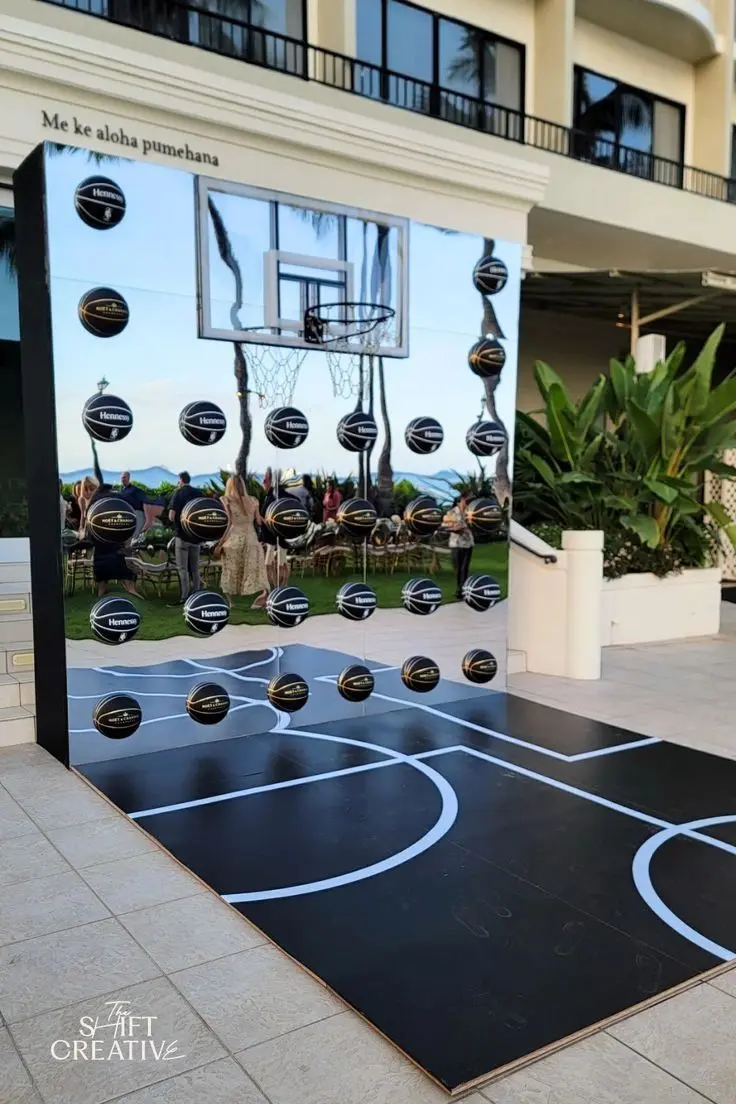
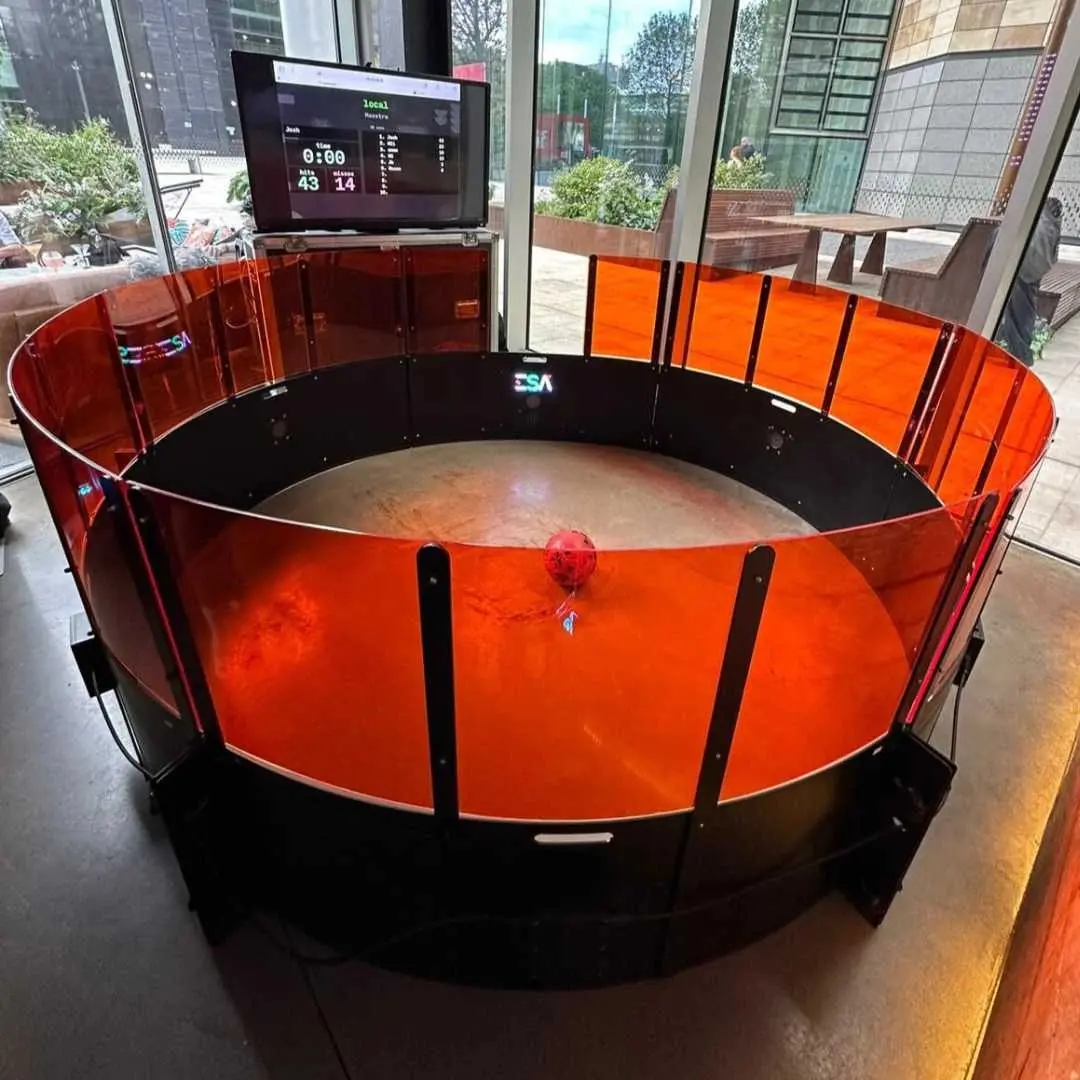
Create a football challenge with clear rounds and scores.
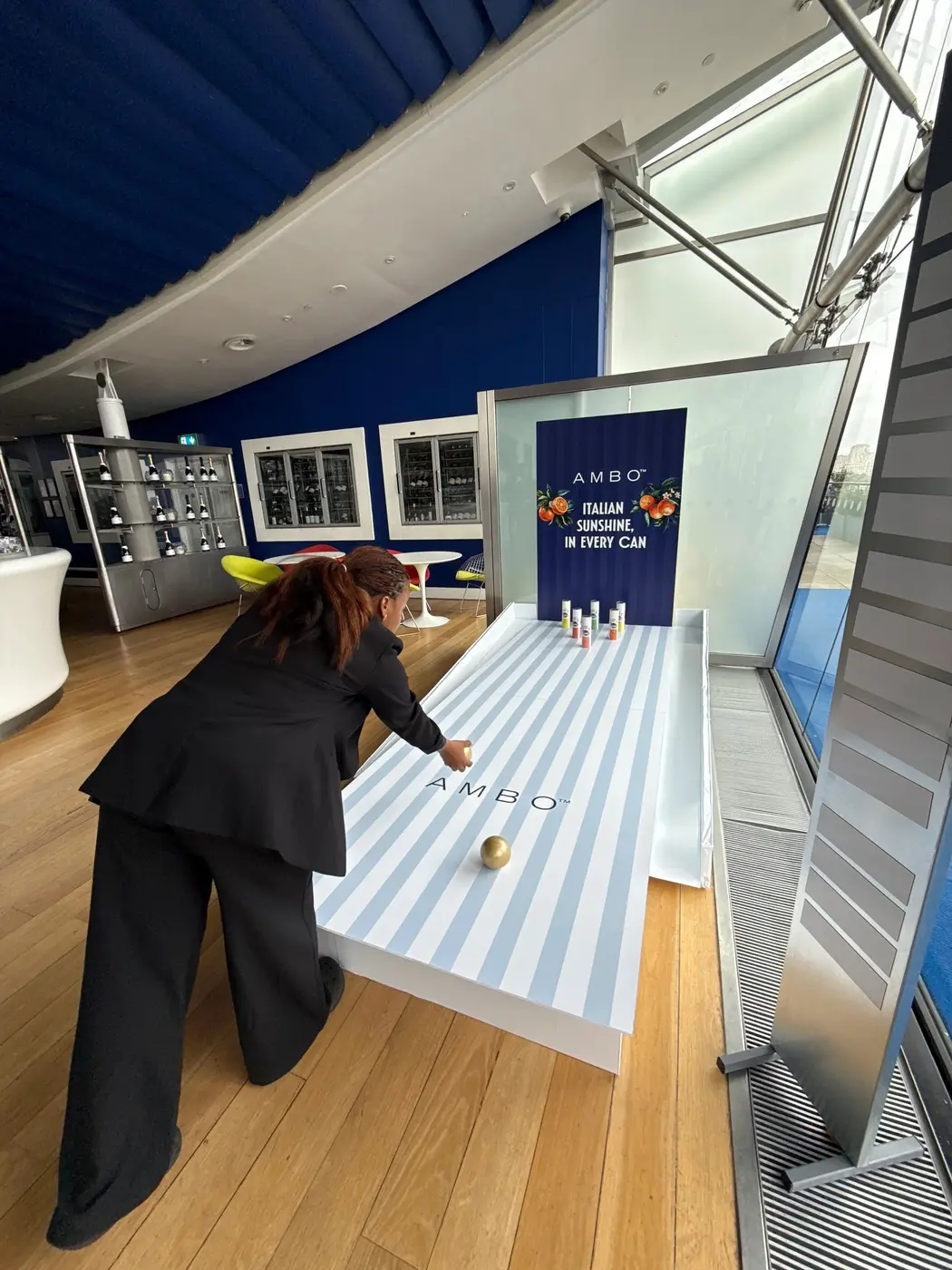
Bring a bowling competition into the event space.
Compare games for exhibitions, launches and live campaigns.
Share your campaign, venue and audience so we can shape the right interactive experience.
Tell us about your event