
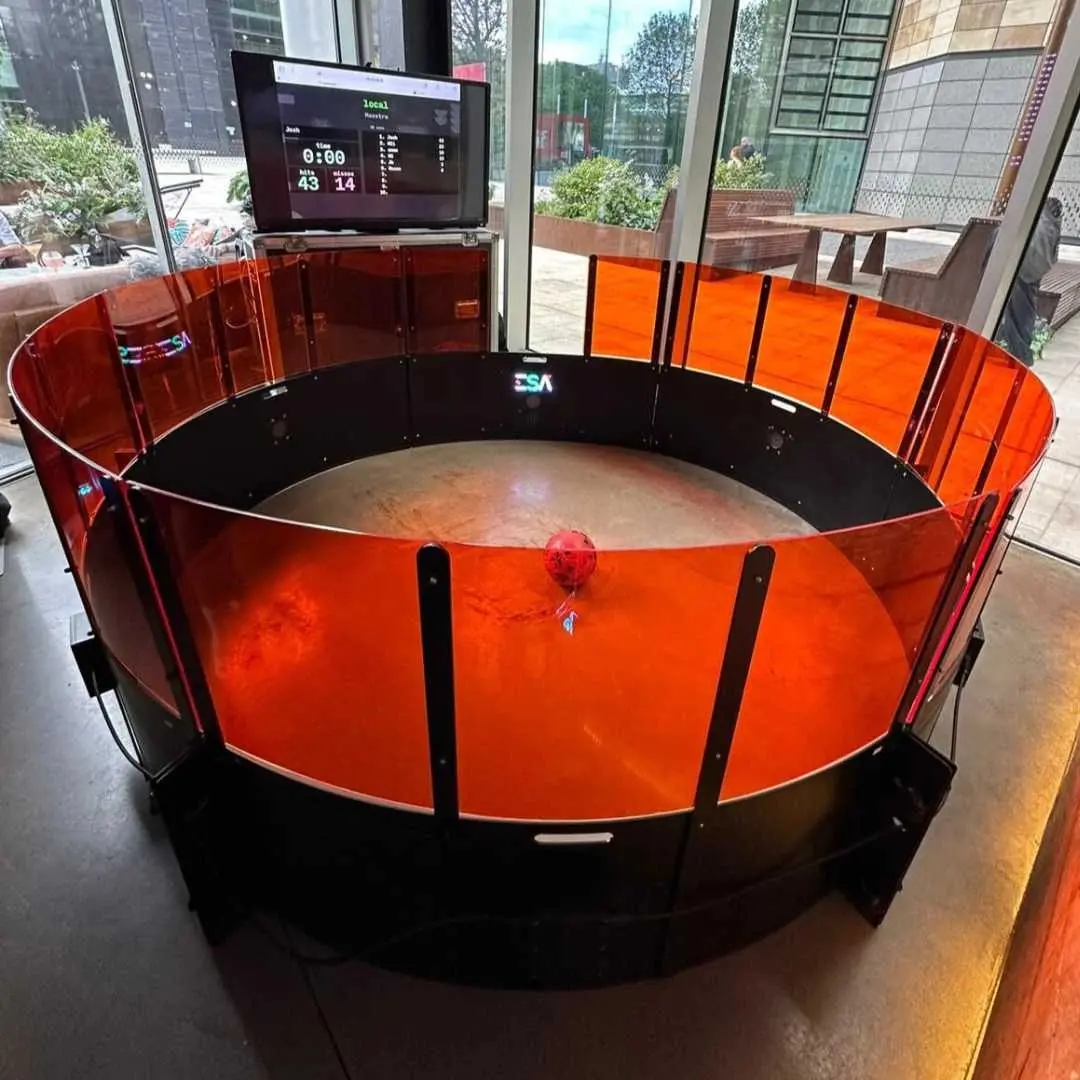
Flexible game formats
Run fast-feet rounds, reaction challenges, timed accuracy tests or a bespoke football mechanic.
Branded football event game hire for fan zones, exhibitions and campaigns. Fast Feet, reaction challenges, leaderboards and complete custom branding.
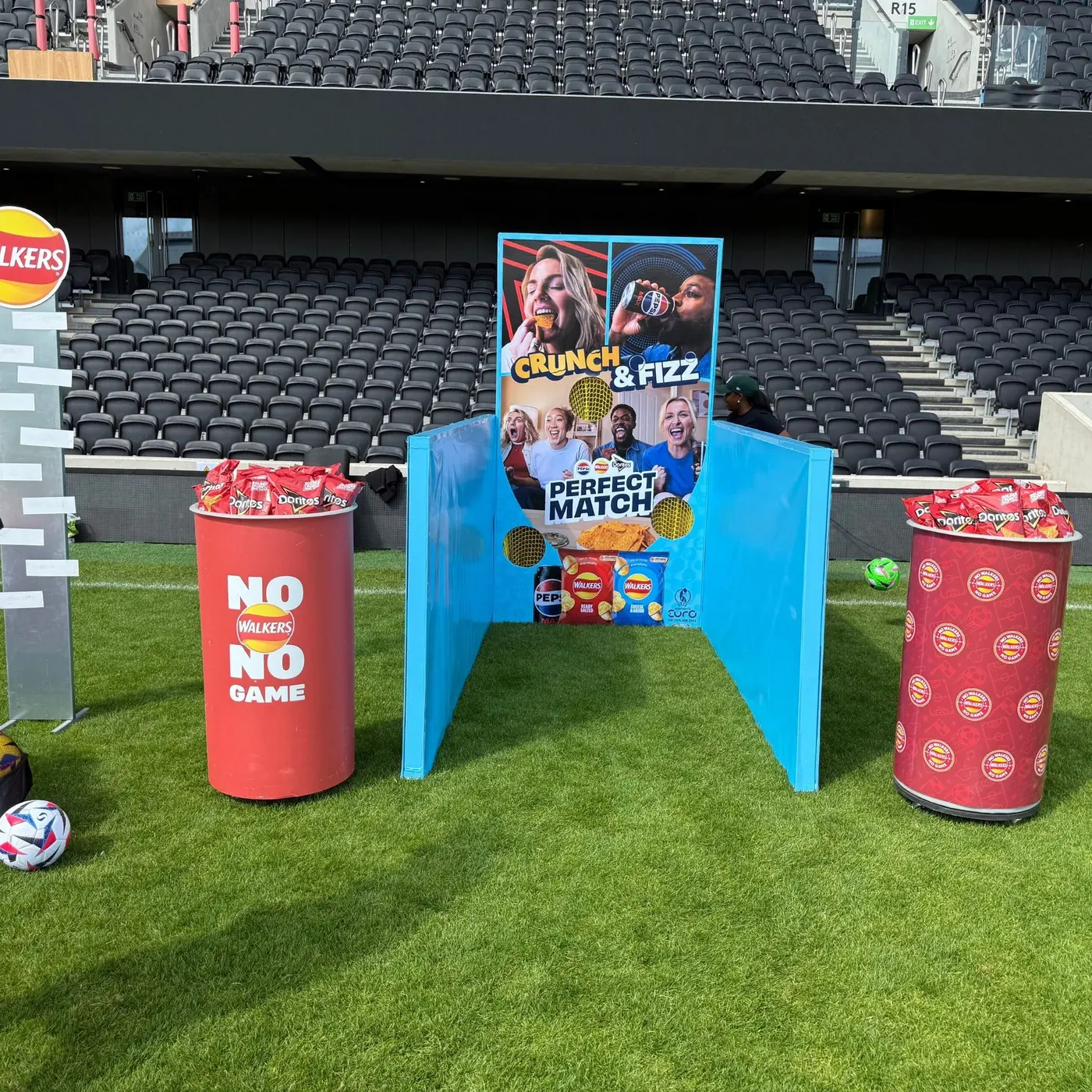






Create a football activation guests instantly understand. Players race the clock, test their reactions or compete for the top score while your branding stays central.
Bespoke pricing based on format and event hours
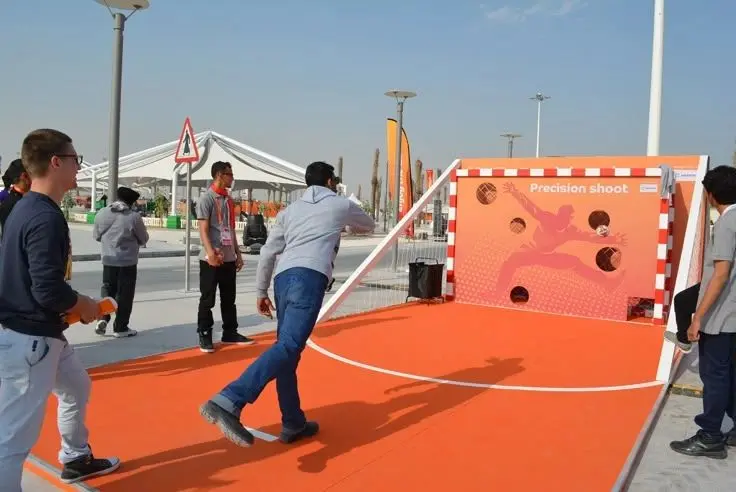
We tailor the challenge, branding and guest journey to your campaign and event space.
Run fast-feet rounds, reaction challenges, timed accuracy tests or a bespoke football mechanic.
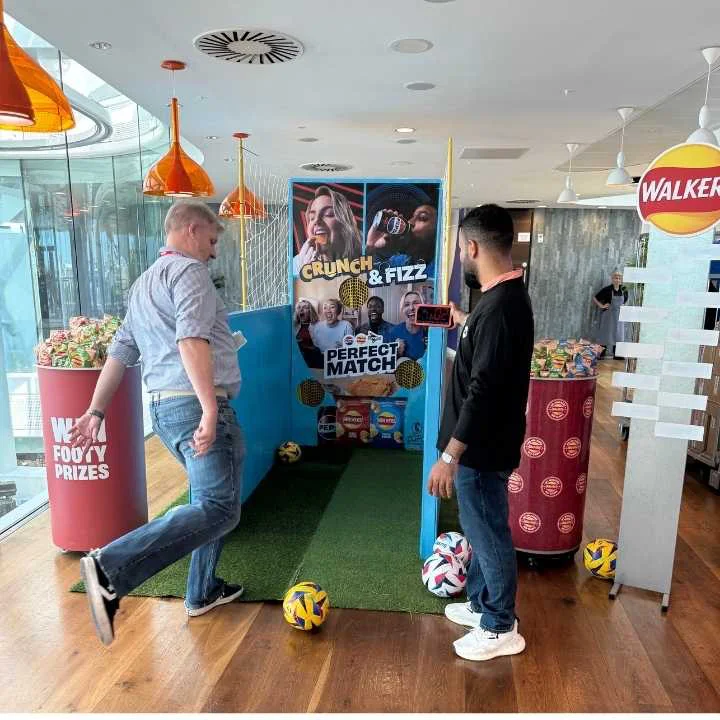
Add campaign artwork to panels, score screens, leaderboards, balls and the surrounding area.
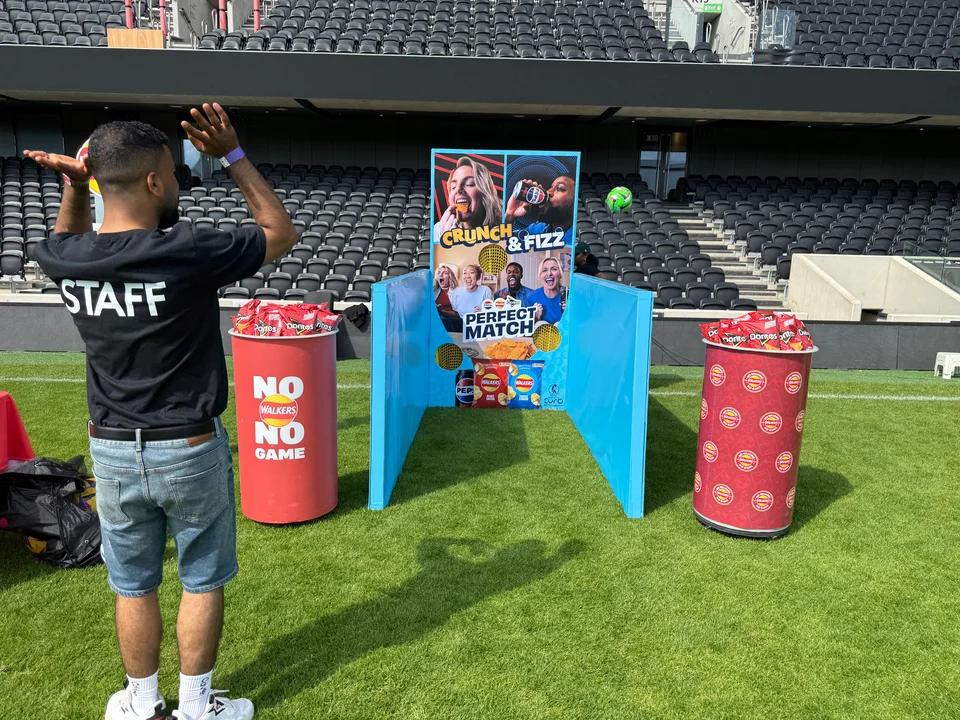
Professional hosting, timed rounds, prizes and a live leaderboard keep energy high.

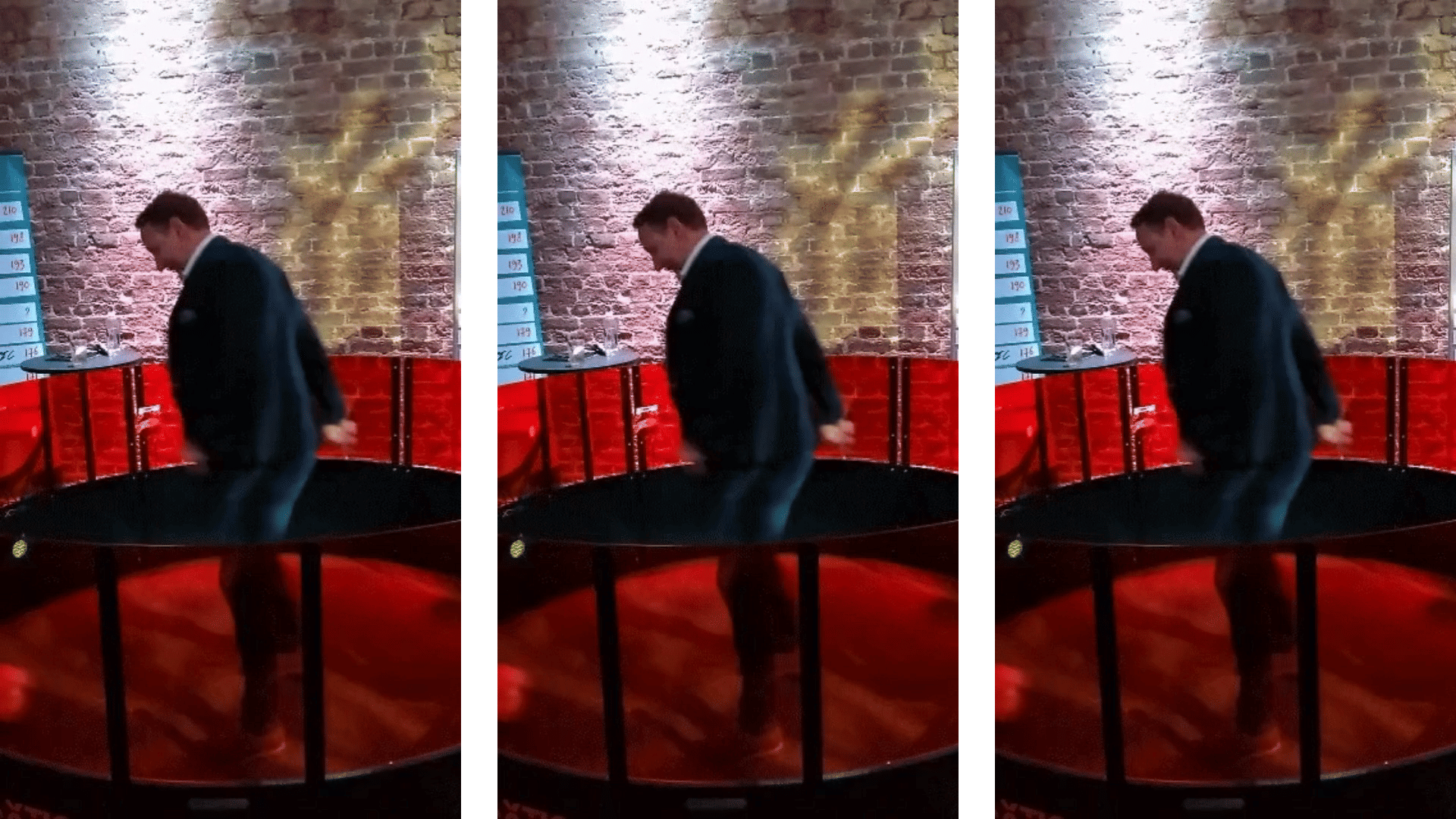
Start with the room and whether guests can take part in their everyday clothes. A short reaction or accuracy challenge can make participation approachable for guests with different levels of experience. A timed format gives hosts a quick way to explain a turn and can help groups follow the leaderboard during the event. If spectators will gather around the game, include them when measuring the footprint and agree where the next player waits. Share the venue rules and the surface underfoot, particularly on exhibition floors and in mixed-use venues. For a different sport or mechanic, see custom branded event games.
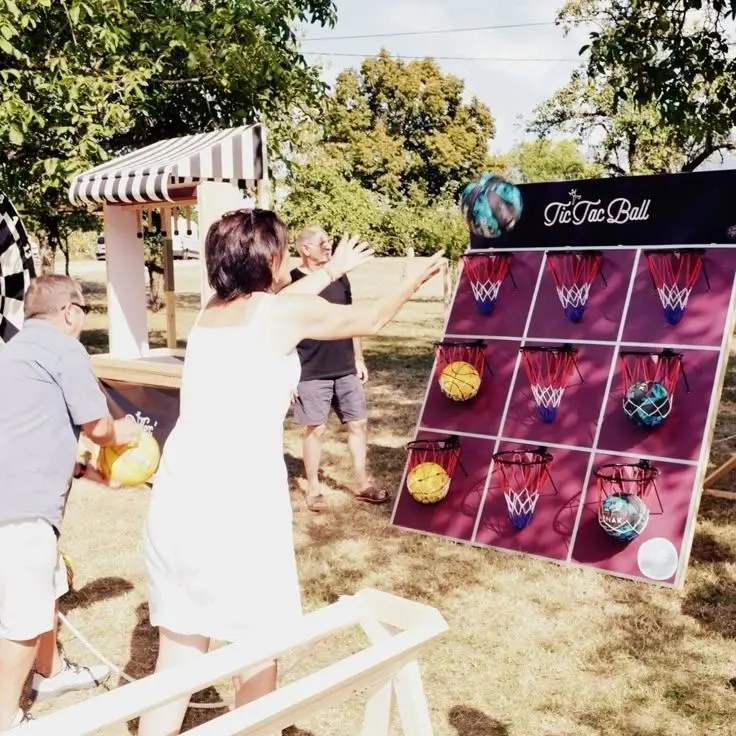
Write down the one action you want visitors to take. A quick challenge helps introduce a product to a passing audience, while a scored competition gives people a reason to return to a stand. A game at a staff event may work better with teams than with a single player. Think about who will play, whether they will arrive alone or in groups, and how familiar they are with the activity. Agree what counts as a completed turn before choosing a prize, score or leaderboard. If play and sales conversations happen in the same area, plan space for both. The best format supports the campaign goal and feels straightforward from the audience’s first look.
Agree the length of a turn, what counts as a score and how ties are resolved before a competitive game goes live. Use simple instructions that can fit on a sign and be repeated consistently by the host. Short rounds are useful for exhibition footfall, while scheduled team sessions give groups time to watch and encourage each other. For a leaderboard, decide what names or identifiers will be displayed and who will manage it. If there are prizes, make eligibility, timing and collection clear. Agree a way to keep the experience moving if the queue builds or if a participant needs an alternative way to take part.
Mark the equipment, player position, spectator line and reset area on the floor plan. A ball-based game needs space for the challenge as well as a route for retrieving equipment. A screen-based challenge needs a view of the instructions from the waiting area and suitable power and cable routing. Review the setup with the venue and host before opening the experience. A rehearsal should include one complete round, a score or result and a reset for the next guest. Try the instructions with someone who hasn’t seen the game brief. That gives the team a chance to catch unclear rules or awkward layouts before the activation is busy.
Look at the installation from the guest entrance and from the positions a photographer, camera operator or participant will use. Ask whether people can recognise the experience quickly, where they will stand or wait and which part of the design should be visible in an image. Consider how the room changes after dark or when the stage lights come on. Check the design against the final room plan and any venue approval requirements before you release artwork. If the brief includes sponsor marks or personalisation, approve the proof with the people responsible for those elements. Save the final references and agreed dimensions with the event schedule so suppliers can refer to the same version on site.
Separate supplier access, guest arrival and the latest time the space must be clear. Where several teams are working in one room, identify who needs to go first. A set may need to be positioned before furniture, while a photo experience needs enough time to test lighting or sharing before guests arrive. If the venue changes the build window, flag it before the final schedule is circulated. Name a point of contact for build, event hours and collection. On a multi-day booking, confirm which areas stay accessible overnight, when the equipment can be checked and who is responsible for opening the space. A short, confirmed schedule is more useful than an elaborate programme that leaves arrival or collection times open.
For an event running across several sessions, identify what must be reset before each group arrives. A different audience may require a new welcome message, revised instructions or a fresh stack of prints. Assign time for checking equipment, cleaning shared surfaces and returning anything moved during the first session. Where the experience becomes part of a room turnaround, agree when other suppliers can move furniture and which areas need to stay clear for staff. Decide whether a host will explain the experience or whether signage alone needs to communicate the next step. At the end of the booking, confirm the collection route and who will give access once doors are closed.
See examples of the finish, scale and details you can plan for your event.
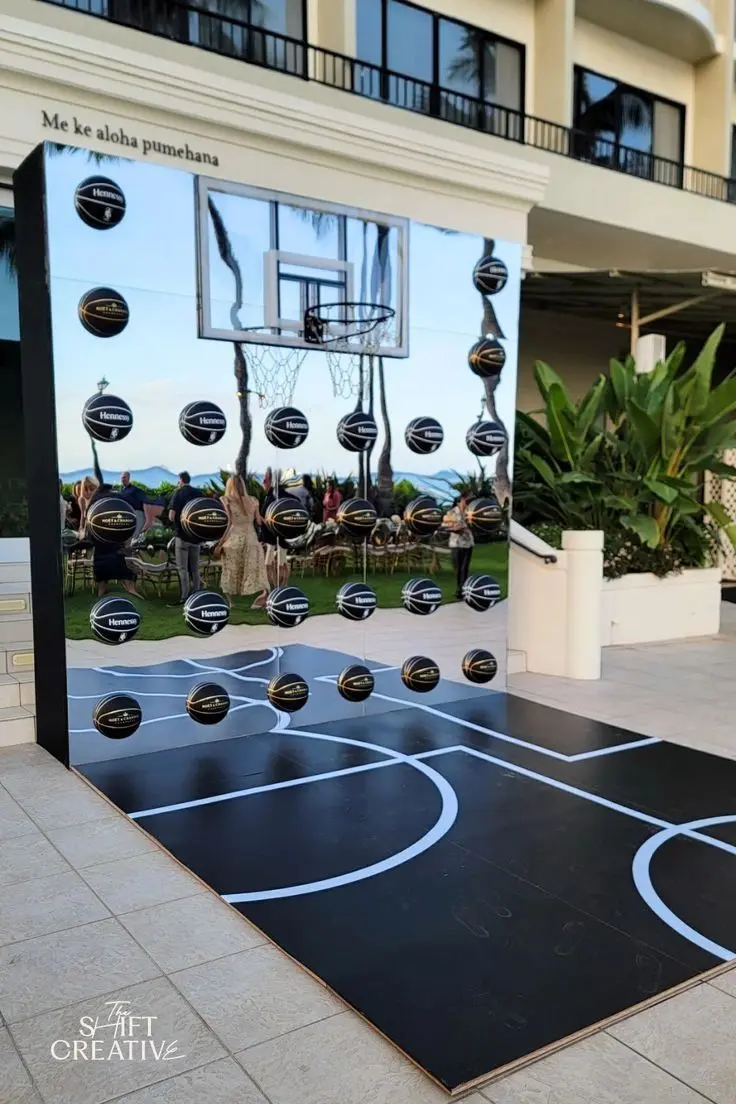

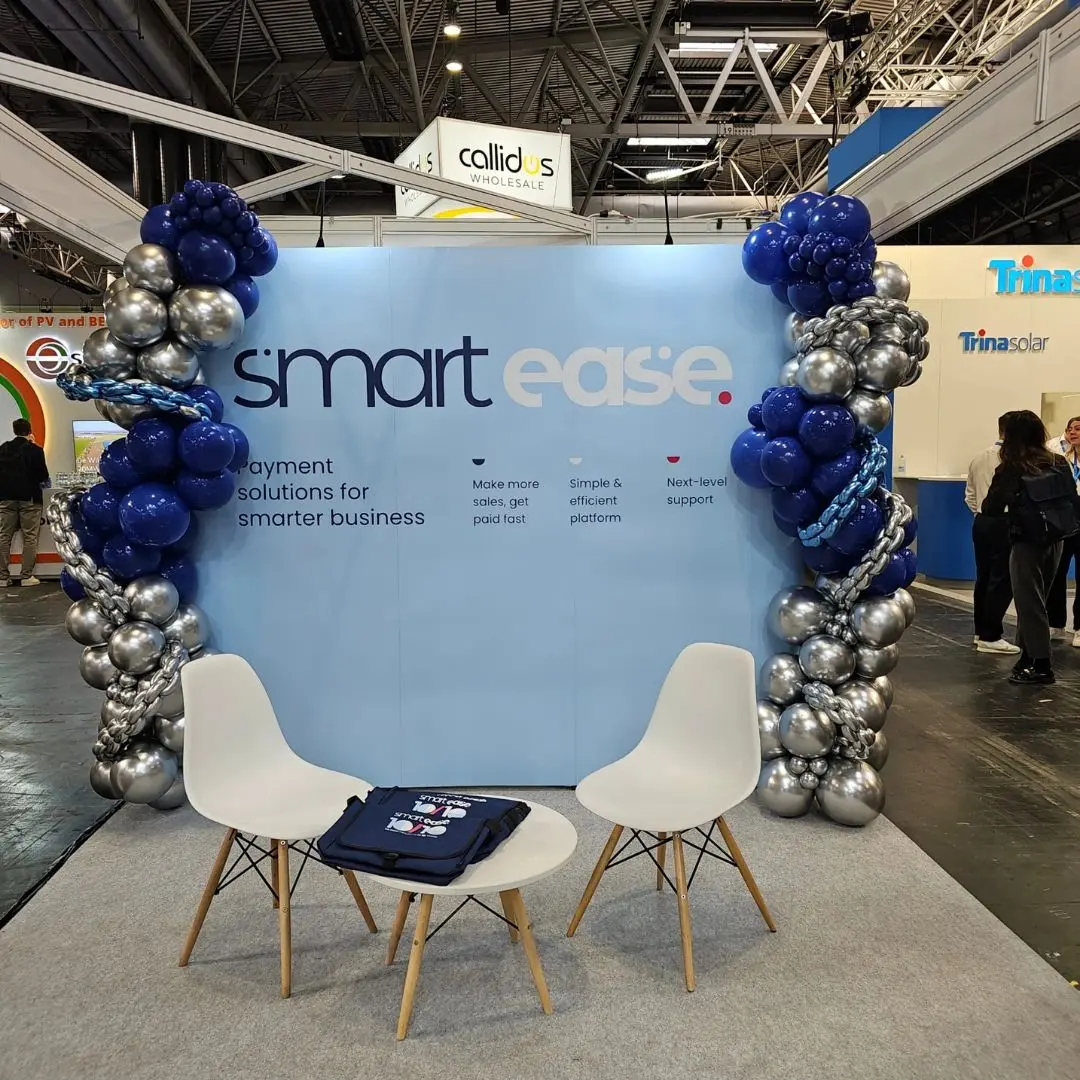
Build a challenge around your audience and campaign.
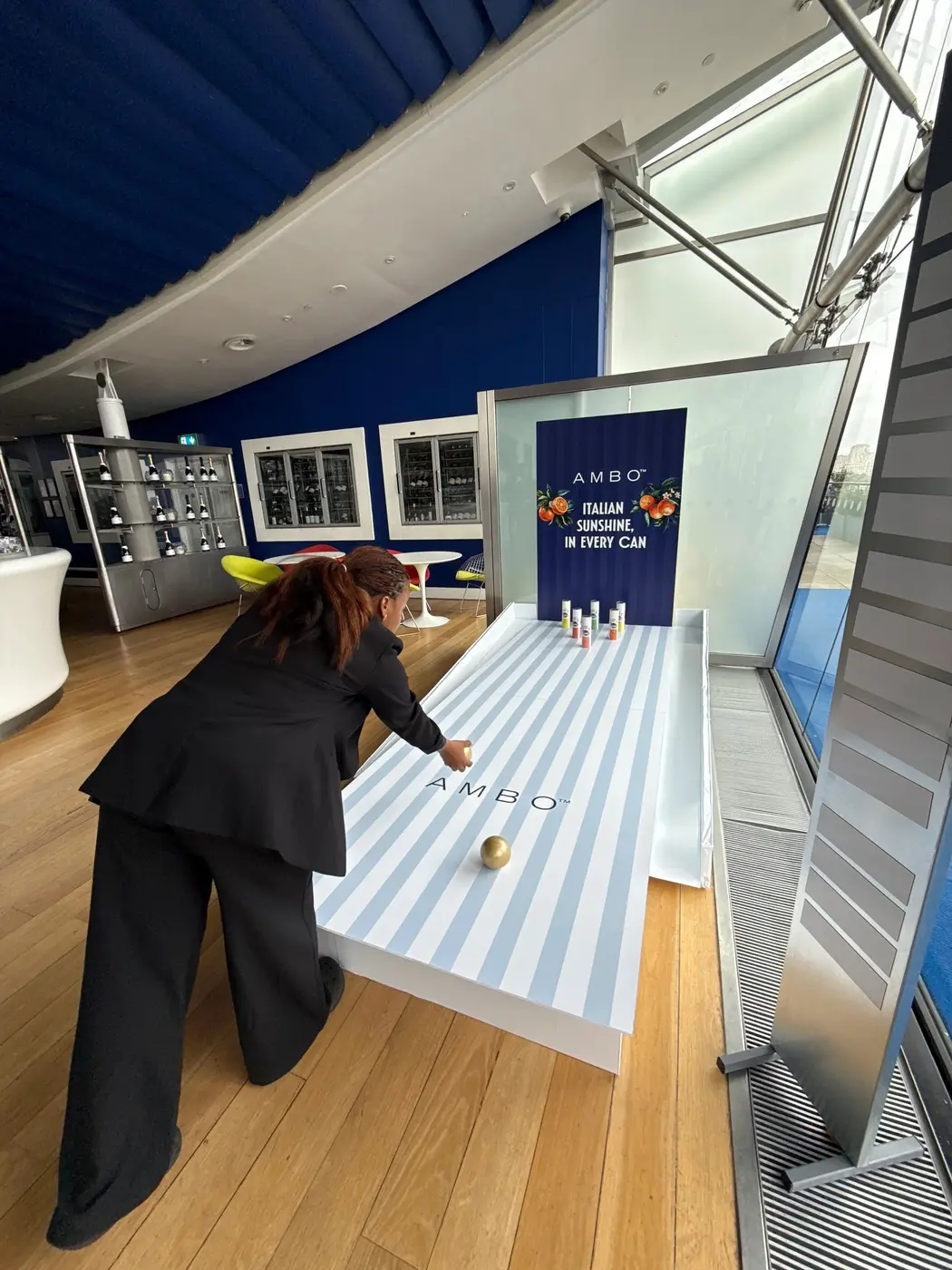
Bring a bowling competition into the event space.
Compare games for exhibitions, launches and live campaigns.
Share your campaign, venue and audience so we can shape the right interactive experience.
Tell us about your event